
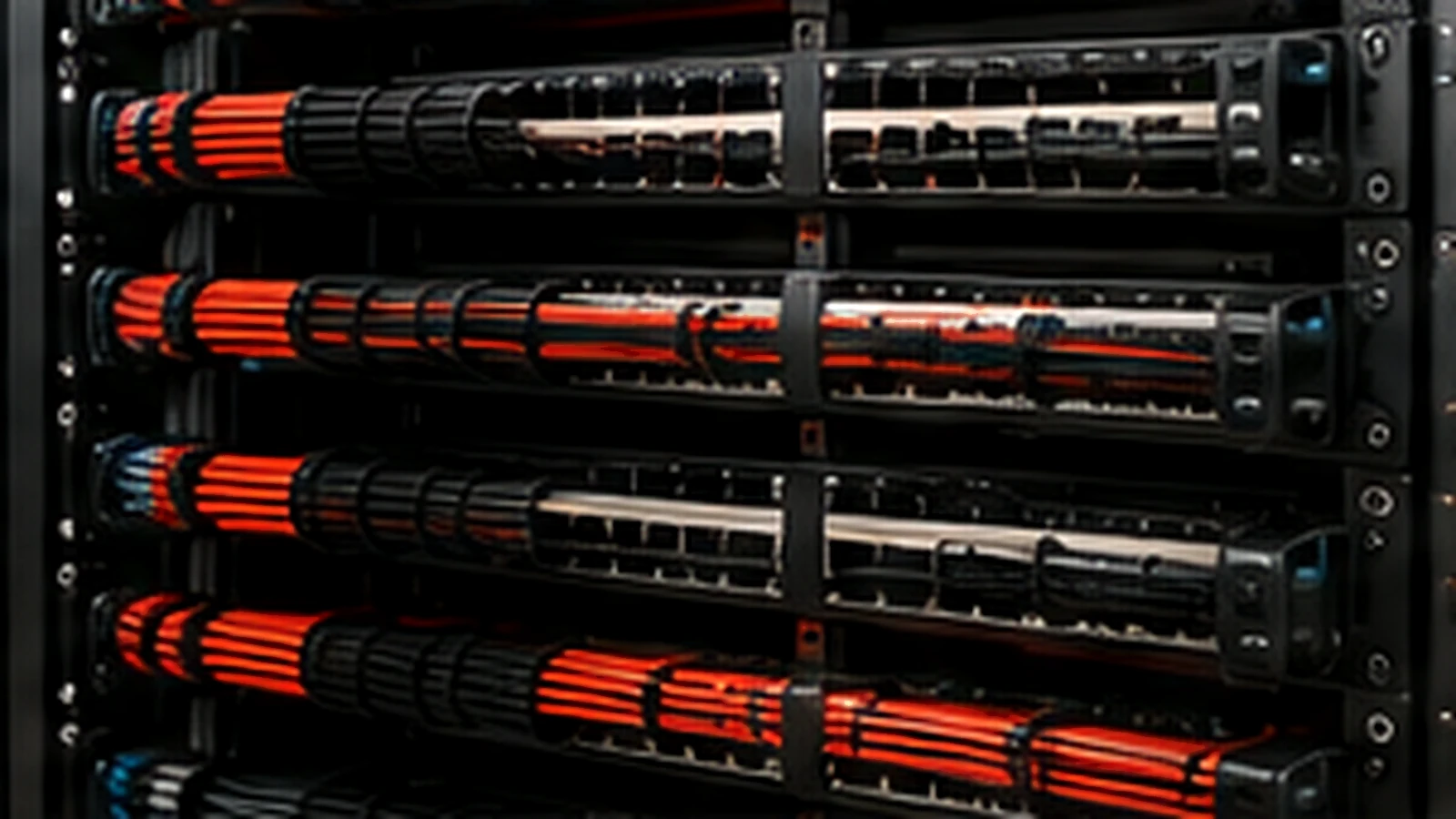
Power over Ethernet simplifies device deployment by carrying data and power over the structured-cabling channel. It does not eliminate power planning. Each device has a demand, each switch has a budget and the cabling operates in a real thermal environment.
Use device maximums for planning
Start with the manufacturer’s power requirement for the exact model and feature set. An access point, pan-tilt-zoom camera or door controller may draw more power when radios, heaters, illuminators or accessories are active.
Record quantity and maximum watts by device type. Our PoE Budget Calculator totals editable device values and applies planning headroom. It is an early check, not a replacement for switch and device compatibility review.
Check the port and the whole switch
A switch must support the required PoE type on the individual port. It also needs enough total available power for all ports at the same time. Marketing that says “48 PoE ports” does not mean every port can deliver its maximum simultaneously.
Power-supply configuration can change the budget. Redundant power supplies may provide resiliency, additional capacity or both depending on the platform. Verify the operating mode instead of adding nameplate values.
Consider the cabling system
Higher-power PoE uses all four pairs and can increase heat in cable bundles. Conductor size, cable construction, bundle size, ambient temperature and pathway ventilation matter. Follow the cabling manufacturer’s guidance and applicable design standards.
Installation details remain important:
- Use complete, compatible channel components
- Protect bend radius and avoid cable damage
- Manage bundle size and pathway fill
- Keep terminations clean and consistent
- Test and label every link
Do not use undersized or unknown patch cords as an afterthought in an otherwise well-designed channel.
Add operational headroom
A switch running at exactly the calculated device total has little room for model changes, inrush behavior, additions or conservative data-sheet assumptions. A planning margin—often 20 percent as an early check—makes shortfalls easier to see.
The UPS and room power plan must include the switch power required to serve those devices. During an outage, the network can remain up while cameras or access points shut down if the UPS calculation covered only the switch electronics and not the PoE load.
Document the result
Maintain a schedule that links device, outlet, patch-panel port, switch port, PoE requirement and location. That schedule helps commissioning and future troubleshooting.
Data Infra installs network equipment, copper cabling and physical device links under an approved network and power design.