
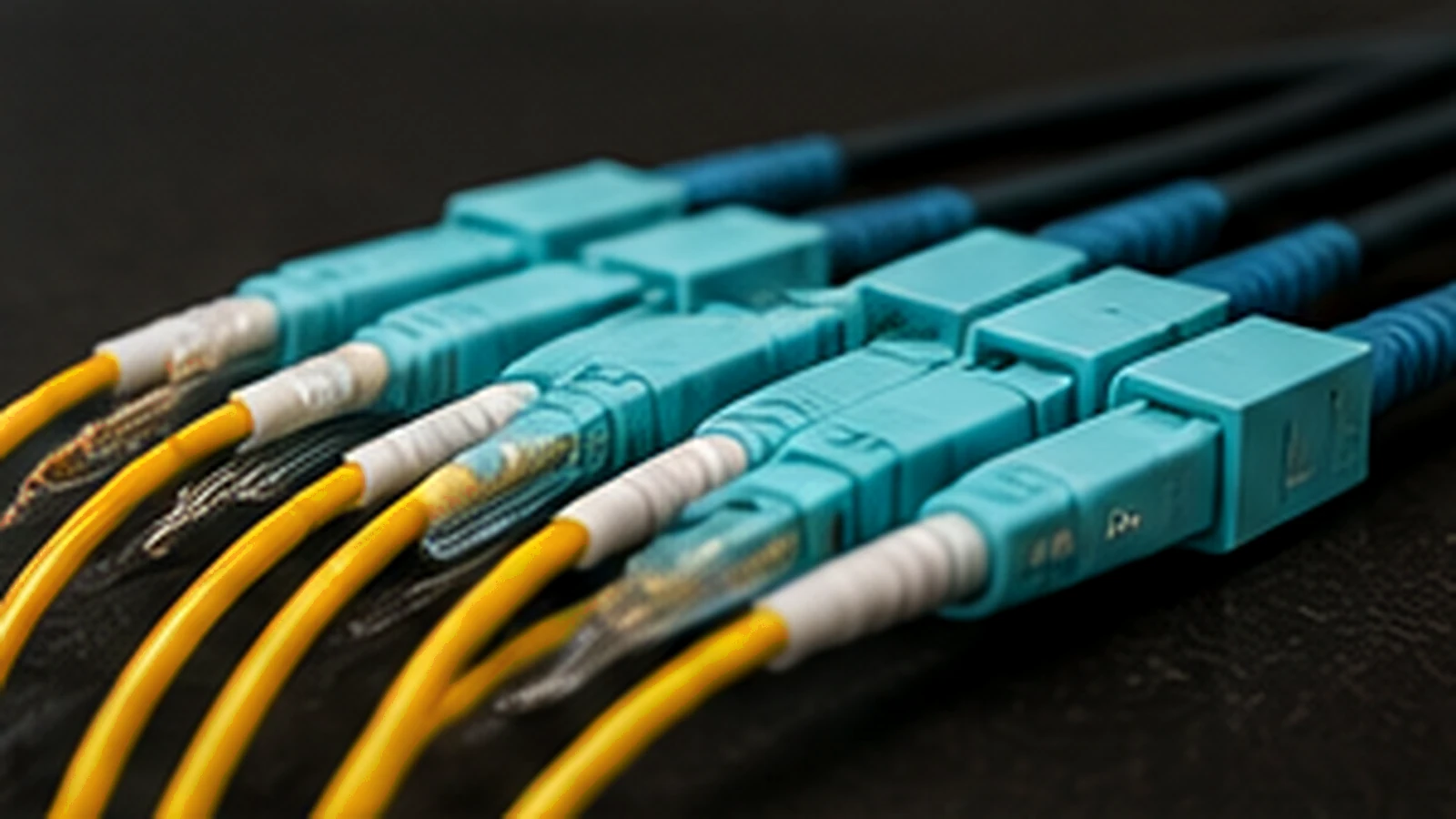
“The fiber has been tested” can mean very different things. A visible-light check, an optical-loss measurement and an OTDR trace each answer a different question. A useful acceptance plan defines the method, direction, wavelengths, limits and file format before technicians begin.
What OLTS tells you
An optical loss test set measures insertion loss from one end of a link to the other. The source launches a known level and the meter measures what arrives. This is the direct way to compare the completed link against its optical loss budget.
Reference setup matters. Test cords, adapters and the selected one-, two- or three-cord method can change what is included in the measurement. The project should state the required method so results from different technicians remain comparable.
Bidirectional testing can reveal connector behavior that a single direction may not show clearly. Required wavelengths should match the fiber type and acceptance specification.
What an OTDR tells you
An optical time-domain reflectometer sends pulses into the fiber and analyzes returned light. The trace can estimate the location and loss of events such as connectors, splices, sharp bends and breaks. That makes OTDR especially valuable for troubleshooting and for documenting long links with intermediate events.
An OTDR is not simply a more expensive power meter. Dead zones, pulse width, index settings, launch fiber and receive fiber all affect what the trace can resolve. A clean-looking trace does not replace end-to-end insertion-loss acceptance when the specification requires it.
Inspection comes before measurement
Contaminated connectors create loss and can transfer debris to other interfaces. Inspect, clean and inspect again before mating connectors. This simple discipline improves measurement consistency and protects expensive optics and test equipment.
Technicians should also confirm polarity, strand identity and patch-panel labels. A perfect test saved under the wrong strand name is not a useful closeout record.
Build a closeout package people can use
A strong fiber package typically contains:
- Project and link naming convention
- Fiber type, strand and endpoint identifiers
- Test direction and wavelengths
- Reference method and test-cord details
- Configured limits and pass/fail results
- Native test files plus a readable summary
- OTDR launch/receive details when traces are required
- Exception notes and retest records
File names should connect directly to field labels. Store native files because they preserve detail that may be lost in a PDF summary.
Specify before testing
Do not wait until closeout to decide what “pass” means. The designer, owner and installer should agree on the standards, project loss budget, direction, wavelengths and deliverable format before the first permanent link is measured.
Data Infra provides fiber testing and documentation for new installations, repairs and existing-link investigations. The method is matched to the question the project needs answered.